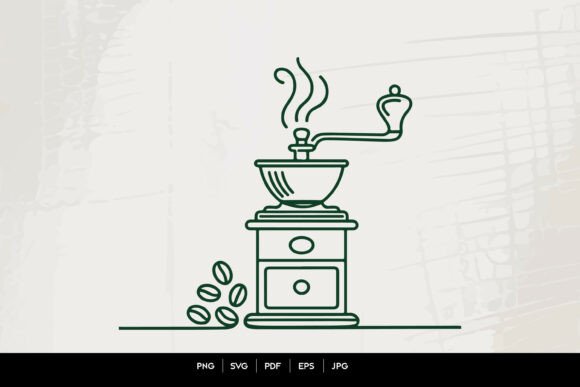
Vintage Coffee Grinder Line Art
A Design for the Coffee Lover’s Embroidery Studio
As a designer who frequently evaluates embroidery files for real-world use, I often find myself drawn to the charm of vintage themes. Vintage Coffee Grinder Line Art is one such design that immediately evokes nostalgia and warmth. It’s the kind of illustration that feels like it could have been pulled from a retro kitchen magazine or a 1950s home decor catalog. The clean lines and subtle details make it both approachable and professional.
The First Impression
Upon first glance, Vintage Coffee Grinder Line Art has a quiet elegance. It’s not overly detailed, which is a good thing for embroidery purposes. The coffee grinder is rendered in a minimalist style, with an emphasis on the shape and structure rather than intricate textures. This makes it ideal for those looking to add a touch of retro charm without overwhelming the fabric.
The design carries a mood of simplicity and nostalgia, fitting well with projects that aim to evoke a sense of timelessness. Whether you’re working on a custom tote bag or a personalized baby item, this line art adds character without being too busy.
Real-Life Use Cases
One of the most practical aspects of Vintage Coffee Grinder Line Art is its versatility. It works beautifully on a range of products, including:
- Sweatshirt embroidery – A great addition to casual wear with a vintage twist.
- Tote bag design – Perfect for adding a decorative element to a functional item.
- Baby embroidery – A subtle, elegant choice for nursery items.
- Embroidered patches – Ideal for adding a vintage flair to caps, aprons, or jackets.
- Holiday embroidery – Could be adapted for seasonal designs like Christmas or Thanksgiving.
- Custom apparel – Adds a unique, handmade touch to everyday clothing.
- Commercial embroidery – Suitable for small shop products, Etsy listings, and craft fair items.
Its clean lines and lack of excessive detail mean it can be used across a variety of handmade products and personalized gifts without losing clarity or appeal.
Considerations for Embroidery Use
While Vintage Coffee Grinder Line Art is versatile, there are certain scenarios where it may require more careful handling. For example:
- Small hoop sizes – The design may need to be scaled down for smaller hoops, which could affect stitch density and clarity.
- Textured fabrics – The design may not render as clearly on fabrics with a rough texture, especially if the lines are thin.
- Dark fabric backgrounds – The contrast between the design and dark fabric may be less effective, depending on thread color choices.
- Curved surfaces – Items like caps or hats may require adjustments to ensure the design looks balanced and clear.
- Dense stitch areas – If the design includes intricate elements, it may require more careful stitching to maintain quality.
- Stretchy or thin fabric – These materials can cause distortion, so using proper stabilizer is essential.
- Products requiring frequent washing – The design should be tested for durability and colorfastness before final use.
Before committing to a project, always test the design on scrap fabric. Check stitch density and ensure that all thread colors provide sufficient contrast against the intended fabric.
Design Quality and Practicality
Vintage Coffee Grinder Line Art is a solid choice for designers looking to create machine embroidery designs that are both stylish and functional. Its clean lines and minimalistic approach make it easy to work with, even for beginners. However, it’s important to note that the design may not be suitable for highly detailed applications or complex patterns.
When considering design assets for commercial use, always verify licensing terms. As an Etsy seller or small shop product creator, ensuring you have the right to sell the finished product is crucial.
Final Thoughts
Vintage Coffee Grinder Line Art is a thoughtful, well-crafted design that fits seamlessly into a variety of embroidery projects. It’s perfect for those who want to add a touch of vintage charm to their handmade goods, whether for personal use or commercial sale. With a bit of care and attention to detail, this design can elevate your craft business and help you create products that resonate with customers.
Remember to always test the design on scrap fabric, review stitch density, and confirm that the design works well on both light and dark backgrounds. By doing so, you’ll ensure that your finished product is not only visually appealing but also durable and professional.