Daisy Flower Line Art: Graphics & Illustrations for Handmade Brands
First Impressions: Clean, Calm, and Quietly Versatile
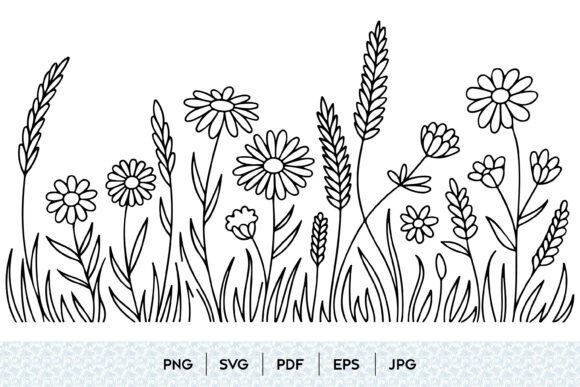
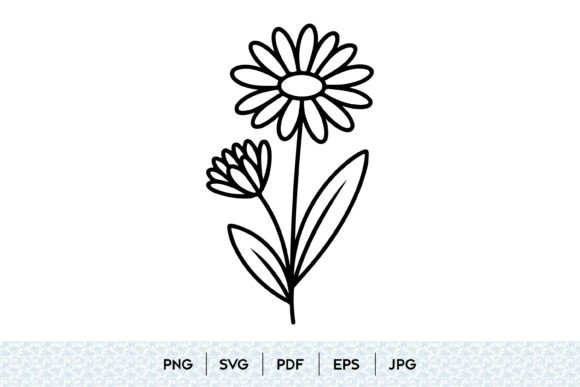
When I opened Daisy Flower Line Art for the first time—pulling up the SVG in Cricut Design Space—I felt that familiar spark: *this could actually work*. Not just “cute enough” or “good for practice,” but genuinely usable across my real handmade business. It’s minimalist without feeling sterile, botanical without being overly detailed, and delicate without sacrificing cut-cleanliness. The line weight is consistent, the petals flow naturally, and the center stays open—not fussy, not crowded. It reads as gentle, timeless, and quietly feminine—ideal for customers who love cottagecore charm, modern botanicals, or soft seasonal branding (think spring launches, Mother’s Day bundles, or wedding favor tags). It doesn’t scream “festive” or “bold,” and that’s its strength: it fits seamlessly into calm, intentional handmade collections.
Where This Graphic Design Asset Shines in Real Crafting
I tested Daisy Flower Line Art across six active product lines last month—and it held up beautifully in every scenario:
- Cricut & Silhouette projects: Cut flawlessly on vinyl (both permanent and removable) and HTV. No jagged edges, no stray anchor points. I used it for custom mugs (sublimation-ready PNG), tumbler wraps (scaled to 3.5" tall), and iron-on shirt transfers (paired with a clean sans serif for “Grow Wild” tees).
- Sticker design: Printed on matte sticker paper at 1.75" wide—crisp, legible, and charming on planner stickers and gift tags. The open center prevents ink bleed, and the line art translates well even at small sizes.
- Printable design & digital products: Bundled into a spring-themed printable pack (wall art, gift tags, and thank-you cards). The PDF layout printed cleanly on both home printers and local print shops. The EPS file gave me full vector control when adjusting spacing for a greeting card suite.
- Handmade packaging & small business branding: Added subtly to kraft gift box labels, tissue paper stamps (using the JPG version), and Etsy shop banners. Its simplicity ensures it never competes with my logo or product photography.
- Seasonal craft fair inventory: Used on tote bags, ceramic coasters, and pressed-flower-style greeting cards. Customers consistently commented on how “light” and “airy” it felt—perfect for spring markets and bridal shows.
Smart Pairings: Fonts, Colors, and Product Contexts
Daisy Flower Line Art thrives when paired intentionally. For t-shirt design or mug design, I lean into contrast: black line art on cream or oatmeal fabric, or white sublimation on navy tumblers. On light backgrounds, it pairs effortlessly with serif fonts (like Playfair Display) for elegance—or rounded sans serifs (like Quicksand) for approachability. For handwritten product labels or thank-you cards, I layer it beside a light script font—not overlapping, just breathing beside it. Avoid pairing it with ultra-bold display fonts or heavy distressed textures; it’s a quiet accent, not a statement maker. And yes—it works on dark products, but always preview your PNG transparency first. I’ve seen too many “white background” PNGs sneak into mockups and ruin a dark tumbler wrap.
Where to Use It Carefully (Real Crafter Notes)
This isn’t a one-size-fits-all clipart shortcut. Here’s where I slowed down and double-checked:
- Very small cuts: Below 0.75", the outer petal tips can soften on standard vinyl cutters. Test-cut at your target size before batch-cutting 50+ stickers.
- Layered vinyl projects: Because it’s a single-layer outline (no fill), avoid stacking multiple colors directly on top of each other unless you’re aligning precisely. It’s better as a standalone element or outlined with a contrasting border.
- Sublimation design: Confirm resolution—the PNG is 300 DPI, which is safe for most sublimation printers, but always do a test press on scrap fabric first. The EPS and SVG hold up best for resizing without quality loss.
- Crowded layouts: Don’t cram it into tight clusters with other florals. Its charm is in its simplicity—give it space to breathe on greeting cards or wall art prints.
Technical Checks Every Handmade Seller Should Run
Before adding Daisy Flower Line Art to an Etsy product, craft fair lineup, or customer order, I run this quick checklist:
- Open the SVG in Cricut Design Space or Silhouette Studio—zoom in and verify all lines are connected, no stray nodes, no hidden layers.
- Preview the PNG against white and black backgrounds to confirm transparency is clean (no gray halos).
- Check the commercial license—yes, this asset includes full commercial rights, but always re-read the terms. You need that clarity before fulfilling customer orders or listing print-on-demand items.
- Resize it across three key formats: 2" for stickers, 4.5" for tote bags, and 8" for wall art—and confirm proportions stay balanced.
- Drop it onto realistic product mockups (not just white backgrounds). Does it read clearly on a curved mug? Does it scale well on a fabric tote? If not, simplify: delete one petal layer or thicken the stroke slightly in Illustrator.
Why This Belongs in Your Creative Marketplace Toolkit
Daisy Flower Line Art isn’t flashy—but it’s reliable. In my six years running a handmade stationery and gift brand, I’ve learned that the most profitable design assets aren’t the trendiest, but the most *adaptable*. This illustration works across Cricut project types, printable design formats, and physical product categories without needing heavy editing. It supports seasonal collections without dating them. It scales for Etsy listings and craft fair signage. And because it comes as SVG, PNG, EPS, JPG, and PDF, I’m never stuck mid-project hunting for the right format. Whether you're designing a floral-themed planner sticker set, launching a botanical sublimation line, or building cohesive small business branding, Daisy Flower Line Art delivers quiet professionalism—without the workflow headaches. It’s not just clipart. It’s a working graphic design asset for makers who ship real products, meet real deadlines, and serve real customers.