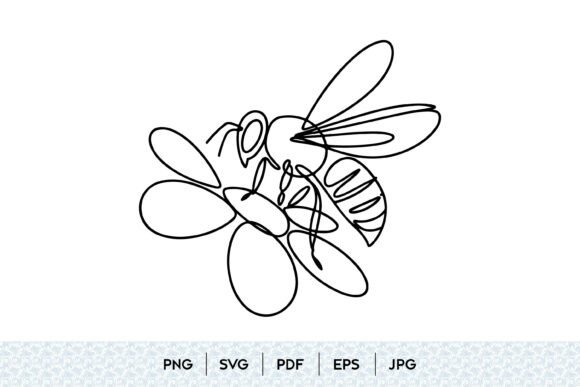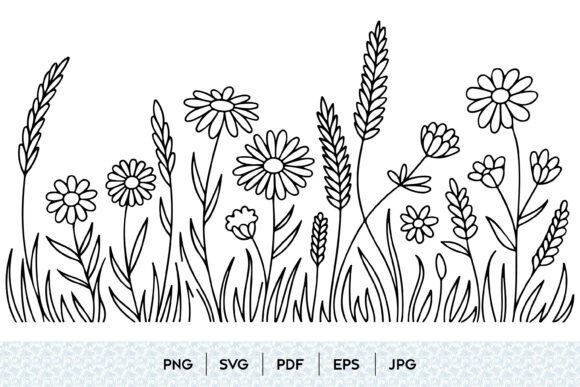
Wildflower Meadow Line Art: Graphics & Illustrations for Local Brands
As a brand designer who’s helped over 70 local businesses—from artisanal soap makers in Asheville to seasonal jam producers in Vermont—build cohesive, shelf-ready identities, I recently evaluated Wildflower Meadow Line Art for a real client project: a small-batch lavender honey brand launching its first line of glass-jar labels and farmers’ market packaging. My goal wasn’t just to assess aesthetics—it was to determine whether this graphic design asset could function as a strategic tool across branding, packaging design, and marketing visuals.
A First Impression That Feels Intentional, Not Generic
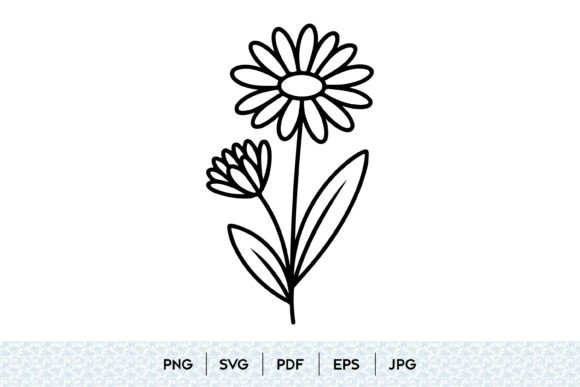
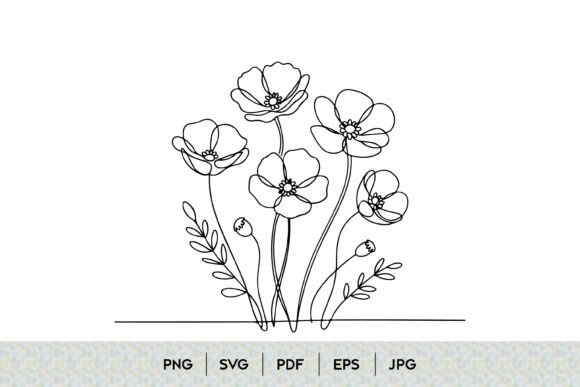
The moment I opened the file bundle, what stood out wasn’t just the delicate linework—but its consistent rhythm. This isn’t clipart masquerading as illustration. The daisy flower svg flows into wild grass outline with organic spacing; the floral border svg carries subtle asymmetry that reads as hand-drawn, not algorithmically generated. It suggests a brand personality that’s quietly confident: botanical, grounded, gently feminine—but never saccharine or overly rustic. Think “farm-to-table apothecary,” not “cottagecore meme.” For local business owners, that nuance matters: it signals authenticity without sacrificing polish.
Where Wildflower Meadow Line Art Earns Its Place in Real Branding
This illustration works hardest where local businesses need clarity and charm most:
- Product labels: Used as a top-border accent on honey jar labels, it creates immediate visual hierarchy—guiding the eye from the brand name down to flavor notes and origin details.
- Packaging design: As a repeatable meadow flowers line art motif on kraft paper gift boxes, it adds texture without overwhelming. Paired with a restrained serif font, it elevates handmade business perception instantly.
- Social media graphics: The SVG design scales flawlessly for Instagram Story banners and Pinterest pins—especially when layered over soft-focus photos of product-in-context (e.g., a candle beside dried lavender stems).
- Printable design & promotional materials: The PDF and EPS files hold crisp detail for letterpress business cards and thank-you cards—critical for boutique owners building emotional connection through tactile experiences.
- Seasonal campaign visuals: With minor color tweaks (a muted sage green for spring, warm ochre for harvest), the botanical meadow illustration adapts seamlessly across holiday gift sets, farmers’ market flyers, and limited-edition product mockups.
What This Graphic Design Asset Delivers Beyond Decoration
It’s easy to treat illustrations like window dressing—but Wildflower Meadow Line Art delivers measurable business value when used intentionally:
- Stronger first impression: On crowded shelves or busy Instagram feeds, its distinctive linework stops scrolling and invites pause.
- Better product recognition: Repeating the same floral border svg across labels, stickers, and hang tags builds subconscious familiarity—key for small business branding.
- More consistent brand identity: Because all formats (SVG, PNG, EPS, JPG, PDF) share identical proportions and stroke weight, there’s no visual drift between digital and print touchpoints.
- Improved customer trust: Clean vector scalability signals professionalism—especially important for food labels or skincare packaging where consumers equate precision with care.
- Stronger emotional connection: Unlike generic floral clipart, this meadow composition feels curated—not random—evoking calm, growth, and local ecology in ways that resonate with conscious local buyers.
Where to Use It Thoughtfully—Not Everywhere
Even strong design assets have boundaries. I advise local business owners and packaging designers to use Wildflower Meadow Line Art carefully in these contexts:
- Very small labels: The fine linework loses definition below 0.75" height—test PNG transparency on actual label mockups before finalizing.
- Crowded ingredient-heavy layouts: Avoid placing it directly beside dense regulatory text; it competes rather than complements.
- Luxury minimalist brands: If your identity relies on stark negative space and monochrome typography, this illustration may dilute your visual hierarchy instead of enhancing it.
- Low-contrast backgrounds: The thin strokes fade on light grays or cream kraft—always preview against your exact substrate.
- Formal corporate branding: While elegant, it doesn’t convey authority or scale—better suited for creative marketplace sellers than B2B service firms.
Practical Brand Designer Notes You Can Apply Today
Before importing Wildflower Meadow Line Art into your next project, here’s what I test every time:
- Open the SVG design in Illustrator and ungroup layers—confirm editable paths for customizing stem length or petal density.
- Export black-and-white versions to verify legibility on mono-printed hang tags or thermal receipt stickers.
- Overlay it beside your brand fonts: Does the daisy flower svg harmonize with your script logo? Does the meadow flowers line art balance well with your sans-serif price list?
- Drop it onto three real packaging mockups—at actual size—to assess scale, spacing, and contrast.
- Compare it side-by-side with competitor packaging: Does it differentiate—or blend in?
- Verify commercial license terms: Ensure usage covers physical product sales, social media graphics, and client work—not just personal projects.
For small business branding rooted in place and purpose—whether you run a candle brand sourcing local beeswax, a children’s product brand celebrating native pollinators, or a coffee shop highlighting regional wildflower meadows—Wildflower Meadow Line Art isn’t just another illustration. It’s a versatile, scalable, emotionally intelligent graphic design asset that supports professional branding without demanding perfection from the creator. When paired with thoughtful typography, intentional color, and real-world testing, it helps local business owners communicate care, craft, and connection—one line at a time.