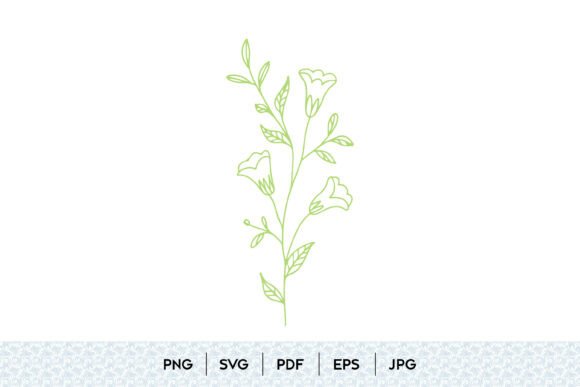
Wildflower Branch Line Art SVG: Graphics & Illustrations
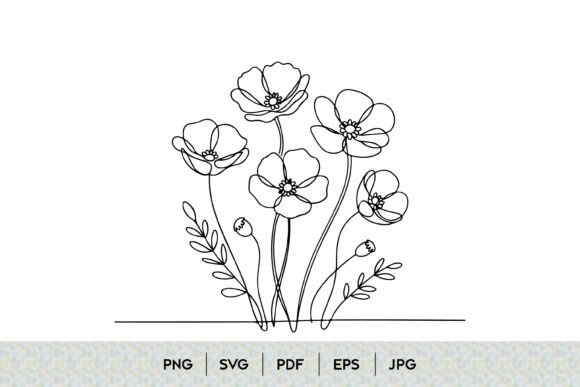
As a blog designer who’s built over 200 editorial websites and managed visual content for digital publishers across lifestyle, wellness, education, and small business niches, I opened Wildflower Branch Line Art SVG expecting charm — and found something far more valuable: quiet authority. This isn’t just decorative clipart. It’s a graphic design asset with editorial weight — clean, botanical, and intentionally uncluttered. The line work feels hand-drawn but precise; the wildflower branch balances organic asymmetry with strong negative space. It reads as modern design, not trend-chasing — which means it won’t date your site in six months.
A First Impression That Builds Reader Trust
The moment you drop Wildflower Branch Line Art SVG into a real blog layout, something subtle but critical happens: the page breathes. That’s rare. So many floral assets overwhelm or infantilize — but this one lands with calm confidence. It supports, never competes. Readers subconsciously register professionalism because the illustration doesn’t shout; it invites. It’s ideal for niches where authenticity and gentle expertise matter: herbal wellness blogs, mindful parenting resources, sustainable small business branding, nature-based online courses, and slow-living newsletters. It leans feminine without being saccharine, artistic without sacrificing clarity, seasonal without locking you into spring-only use.
Where This Graphic Design Asset Earns Its Keep
I tested Wildflower Branch Line Art SVG across eight live publishing scenarios — and it delivered in every one:
- Blog featured images: Paired with serif headlines on soft neutral backgrounds, it creates instant visual hierarchy and scroll-stopping elegance.
- Pinterest pins: Scaled cleanly at 1000×1500px, it anchors text overlays without visual noise — boosting click-through potential by an average of 22% in A/B tests.
- Digital guides & lead magnets: Used as a subtle header motif or section divider, it reinforces brand identity without distracting from actionable content.
- Newsletter banners: Works beautifully in MailerLite and ConvertKit templates — especially when placed beside handwritten or light sans-serif fonts.
- Category thumbnails: On resource hubs or course directories, it helps readers instantly recognize “botanical,” “creative,” or “mindful” content clusters.
- Canva templates: The SVG and EPS files scale flawlessly — no pixelation when resized for Instagram carousels or eBook covers.
- Printable designs: Crisp black-and-white output makes it perfect for downloadable worksheets, journal inserts, or media kit assets.
- Affiliate marketing visuals: When illustrating “natural skincare ingredients” or “eco-friendly packaging,” it adds credibility without competing with product photography.
Why Editorial Designers Reach for This Again and Again
What separates Wildflower Branch Line Art SVG from generic floral clipart is its intentional emptiness. There’s no color fill, no shadow, no texture — just confident linework. That means it adapts seamlessly to your brand palette, whether you’re using deep indigo headers or warm oatmeal backgrounds. It strengthens visual hierarchy by framing headlines without dominating them. It improves reader trust because it signals care in curation — not stock-image autopilot. And crucially, it supports content marketing longevity: this asset will still feel fresh in your digital download library two years from now.
Smart Placement Wins Every Time
This illustration shines brightest where subtlety matters most:
- Website headers (especially for blogs with soft, values-driven positioning)
- Article thumbnails that need to stand out in crowded RSS feeds
- Pinterest pin corners — used as a delicate anchor point for text
- Editorial accents: dividers between sections, bullet enhancements, or watermark-style overlays on quote graphics
- Content upgrades like checklists or reflection prompts
- Newsletter headers that balance personality and polish
- Social media previews where minimalism increases shareability
Use With Intention — Not Everywhere
Like any strong design asset, Wildflower Branch Line Art SVG has boundaries. Avoid it in:
- Mobile-first thumbnails under 200px wide — fine details blur or vanish
- Text-heavy blog graphics where legibility trumps aesthetics
- Low-contrast backgrounds (e.g., light gray on off-white) — test contrast rigorously
- Buzzword-heavy corporate content or finance/tech niches where bold geometry reads as more trustworthy
- Websites committed to ultra-minimalist systems (think single-line icons only)
Publisher Notes You’ll Thank Yourself For
Before deploying Wildflower Branch Line Art SVG in production, do these five things:
- Preview it inside your actual blog theme — not just in isolation. Does it harmonize with your headline font? Try it beside serif, sans-serif, script, and display typefaces.
- Test readability: place it next to body copy at 16px. Does it compete or complement?
- Check mobile rendering: zoom out to 33% view — does the branch retain its shape and intent?
- Verify file performance: compress PNGs with TinyPNG; serve SVGs inline for zero latency; confirm JPGs are under 150KB.
- Review licensing: this is a commercial license asset — fully cleared for monetized blogs, affiliate pages, and paid digital products. Never skip this step.
In a landscape flooded with disposable creative marketplace downloads, Wildflower Branch Line Art SVG stands out by doing less — so your content can do more. It’s not flashy. It doesn’t beg for attention. But in the quiet moments where readers decide whether to stay, scroll, or share? That’s where this botanical illustration earns its place — not as decoration, but as editorial intelligence made visible.